
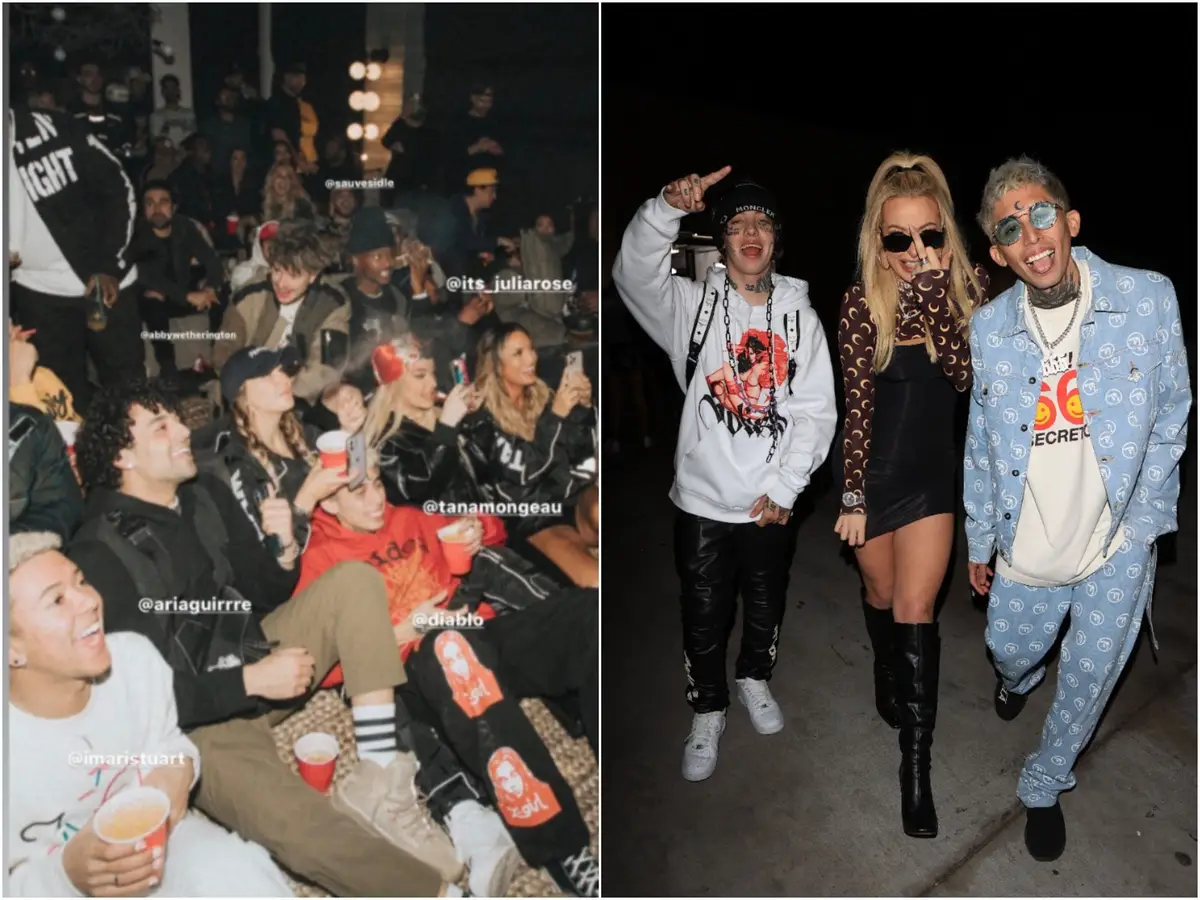
In the fast-paced world of social media, influencers hold immense power to shape trends, opinions, and even consumer behavior. But what happens when that power leads to reckless actions? The phrase “influencers gone wild” has become a shorthand for those moments when online personalities cross boundaries, sparking scandals that captivate the internet. From fabricated stories to ill-advised public stunts, these incidents reveal the pressures of constant visibility and the quest for virality. This article dives deep into the phenomenon, exploring real-world examples, the consequences, and how influencers and brands can navigate this turbulent landscape. Drawing from expert insights and documented cases, we’ll examine why these events occur and what they teach us about digital fame.
The Rise of Influencer Culture and Its Wild Underbelly
Social media influencers emerged in the late 2000s, but by the 2020s, the industry exploded into a multi-billion-dollar ecosystem. Platforms like Instagram, TikTok, and YouTube turned everyday people into celebrities, with sponsorships, endorsements, and fanbases rivaling traditional stars. However, this rapid ascent often comes with a dark side. The term “influencers gone wild” typically refers to behaviors that range from harmless eccentricity to serious ethical breaches, such as misleading content or insensitive actions.
According to industry analyses, the pressure to maintain engagement can push creators to extremes. For instance, the need for constant content creation leads some to stage dramatic scenarios or ignore social norms. This isn’t just about fun gone awry; it’s tied to algorithms that reward sensationalism. Experts in digital marketing note that viral moments, even negative ones, can boost follower counts temporarily, but at what cost? Studies from platforms like Vocal Media highlight how luxury perks and fame can blur judgment, leading to “tone-deaf” decisions.
This is not a new phenomenon.Early examples trace back to the 2010s, but recent years have seen an uptick due to increased scrutiny from “watchdog” accounts and media outlets. Pages dedicated to spotting influencers in awkward real-life situations, like those on Bored Panda, capture the absurdity of posed photos in public spaces, turning private mishaps into public memes. These snapshots often go viral, amplifying the “gone wild” narrative.
Landmark Controversies Behind “Influencers Gone Wild”
To understand the term fully, let’s look at some standout cases where influencers’ actions shocked audiences and sparked widespread discussion. These examples span various niches, from travel to fitness, showing how no category is immune.
One classic case involves a travel blogger who claimed to be “off the grid” in a remote location, encouraging followers to embrace simplicity. However, metadata from her photos revealed she was actually lounging in a luxury hotel with all modern amenities. Fans felt deceived, leading to a backlash that cost her sponsorships. This incident underscores the fine line between aspirational content and outright fabrication.
In the fitness realm, a prominent guru posted a “30-day transformation” that turned out to be digitally altered. When exposed, it eroded trust in an industry already plagued by unrealistic standards. Similar stories abound, like influencers promoting products from brands with questionable ethics, such as those accused of unfair labor practices. Italian fashion icon Chiara Ferragni faced criticism for endorsing such a brand, prompting her to issue public statements addressing the oversight.
Music and entertainment influencers have their share too. Rapper Soulja Boy’s erratic behavior during a live stream raised concerns about mental health in the spotlight, while brothers Logan and Jake Paul drew ire for disruptive parties and insensitive videos. Logan’s infamous filming in a sensitive Japanese forest led to apologies and a temporary platform suspension, highlighting cultural insensitivity in global content creation.
The Fyre Festival debacle remains a benchmark. Promoted heavily by influencers, the event promised luxury but delivered disaster, with attendees stranded without basics. It exposed how hype can override due diligence, resulting in lawsuits and damaged reputations for those involved. Similarly, David Dobrik’s Vlog Squad faced allegations of reckless pranks that crossed into harmful territory, leading to member departures and sponsor pullouts.
Other notable mentions include Kris Wu’s legal troubles, James Charles’ grooming accusations (which he denied), and Colleen Ballinger’s inappropriate fan interactions. These cases often involve power imbalances between creators and audiences, amplifying the fallout. In 2022, influencers made headlines for quirky antics like selling unusual items or posing in sacred sites, blending humor with controversy.
During the pandemic, many influencers ignored restrictions, hosting gatherings that drew public outrage. Accounts captured groups partying despite health guidelines, leading to apologies and reflections on privilege.
Psychological and Professional Consequences
What Drives Influencers to Go “Wild”? Psychologists point to the dopamine rush from likes and shares, which can encourage risk-taking. The always-on nature of social media fosters burnout, leading to impulsive decisions. Authoritative sources like Heimkapital emphasize that after such incidents, the classic “apology video” follows, but recovery isn’t guaranteed.
Professionally, scandals can be career-ending. Brands distance themselves quickly, as seen in the WeWoreWhat copying allegations against Danielle Bernstein, which affected collaborations. On the flip side, some rebound stronger, using the experience to advocate for better practices. Logan Paul, for example, shifted focus to boxing and podcasts, rebuilding his image.
For followers, these events erode trust in online endorsements. A 2025 study from digital ethics forums noted increased skepticism toward sponsored content post-scandal. This has broader implications for the industry, pushing for transparency regulations.
Lessons for Influencers, Brands, and Audiences
Navigating the wild side requires wisdom. Influencers should prioritize authenticity over virality, conducting thorough checks on partnerships. Brands must vet creators carefully, learning from past mishaps like Pandoro Gate with Chiara Ferragni, where misleading charity ties backfired.
Audiences play a role too—critical thinking helps discern genuine content from staged drama. Platforms are stepping up with better moderation, but self-regulation is key.
Experts recommend building a personal brand on values, not shocks. As one marketing consultant advises, “Fame is fleeting; integrity lasts.” Training in media literacy and ethics could prevent future “gone wild” moments.
The Future of Influencer Accountability
As we move into 2026, the influencer landscape is evolving. With AI tools detecting fakes and stricter ad disclosures, accountability is rising. Documentaries and exposés, like those on historical franchises, shed light on exploitation risks, urging reform.
Yet, the allure of wild stories persists. Reddit discussions on scandals, such as those involving YouTube groups, show public fascination mixed with demand for responsibility. Ultimately, “influencers gone wild” serves as a cautionary tale: in the pursuit of online glory, boundaries matter.
In conclusion, while these scandals entertain and outrage, they highlight the human element in digital fame. By learning from them, the industry can foster a more trustworthy environment. Whether it’s a minor slip or major controversy, the key is growth and genuine connection. As social media matures, perhaps we’ll see fewer wild detours and more meaningful influence.

Abdulrahman
Tech writer at whatsontech.net
who loves to write about Ai tools, Apps and Tech guides.