
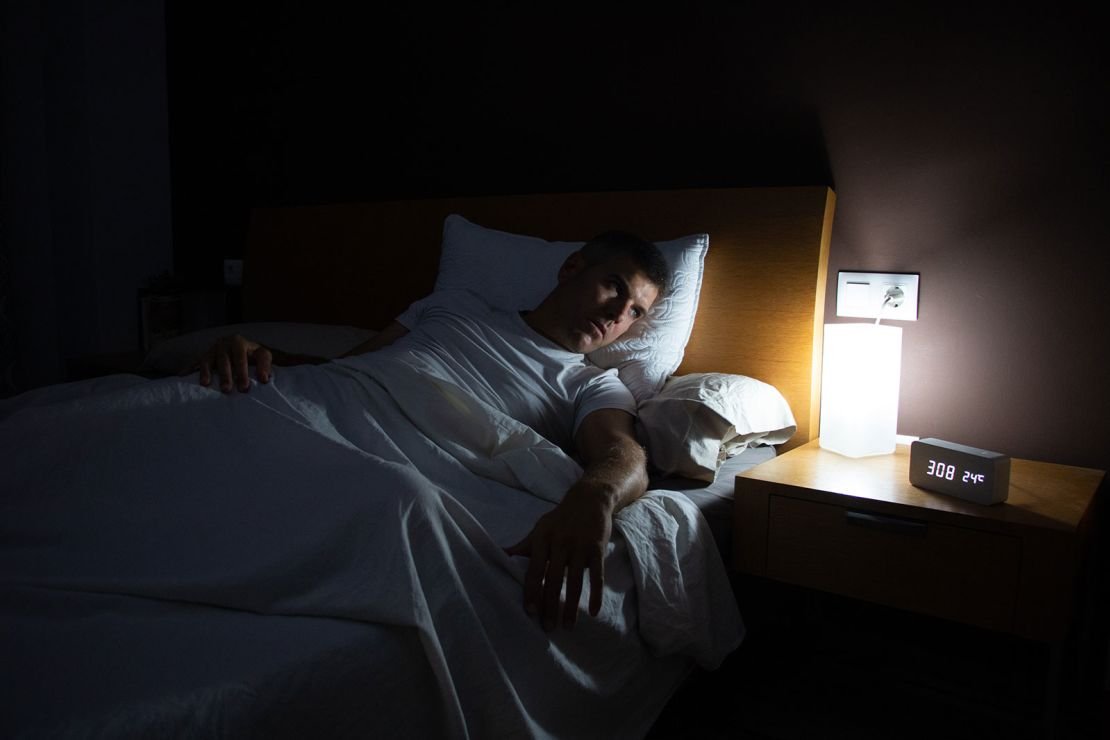
Insomnia is one of the most prevalent sleep disorders affecting millions worldwide, leading to significant impacts on daily life and overall health. This comprehensive guide delves into the intricacies of insomnia, drawing from established medical insights to provide a thorough understanding. Whether you’re struggling to fall asleep or waking up frequently during the night, recognizing the signs early can lead to better management and improved quality of life. By exploring causes, symptoms, treatments, and prevention strategies, this article aims to equip you with actionable knowledge backed by expert sources.
Understanding the Mechanics of Insomnia?
Insomnia is defined as a sleep disorder characterized by difficulty falling asleep, staying asleep, or both, resulting in inadequate rest despite having the opportunity to sleep. It can be acute, lasting a few days or weeks, often triggered by stress or life changes, or chronic, persisting for three months or longer and occurring at least three nights per week. Primary insomnia occurs independently, while secondary insomnia is linked to other health conditions or substances.
According to health experts, insomnia isn’t just about the quantity of sleep but the quality. Adults typically need 7-9 hours of sleep per night, but those with insomnia often feel unrefreshed even after despite maintaining an adequate sleep window. This disorder affects people of all ages, though it’s more common in older adults, women during menopause, and individuals with mental health issues. Understanding insomnia starts with acknowledging it’s not a mere inconvenience but a condition that can disrupt cognitive function, mood, and physical health.
The Multifaceted Triggers of Sleep Disruption
Insomnia rarely has a single cause; it’s often a combination of factors. Stress and anxiety are primary culprits, as worries about work, relationships, or health can keep the mind racing at night. Lifestyle habits play a significant role too—irregular sleep schedules, excessive caffeine or alcohol intake, and lack of physical certain behaviors can further disrupt the delicate circadian rhythm.
Secondary insomnia often manifests as a co-morbidity of chronic physiological or neurological disorders. Chronic pain from arthritis, respiratory issues like asthma, or gastrointestinal problems such as acid reflux can interrupt sleep. Mental health disorders, including depression and anxiety, are strongly linked, with insomnia often worsening these conditions in a vicious cycle. Hormonal changes during pregnancy, menopause, or due to thyroid imbalances also trigger insomnia.
Medications and substances are another key factor. Stimulants like nicotine, certain antidepressants, or blood pressure drugs can interfere with sleep patterns. Environmental elements, such as noise, light, or an uncomfortable mattress, shouldn’t be overlooked. Jet lag or shift work disrupts the body’s circadian rhythm, leading to sleep disturbances. In older adults, age-related changes in sleep architecture, like reduced deep sleep phases, increase vulnerability.
The Symptomatology of Sleep Debt
The hallmark symptom of insomnia is trouble initiating or maintaining sleep, but it manifests in various ways. Individuals may lie awake for hours trying to fall asleep, wake up multiple times during the night, or rouse too early without being able to return to slumber. Daytime consequences are equally telling: persistent fatigue, irritability, and difficulty concentrating.
Other symptoms include mood swings, such as increased anxiety or depression, impaired memory, and slowed reaction times, which can heighten accident risks like while driving. Physical signs might involve headaches, gastrointestinal upset, or a general feeling of unrest. If these issues persist and interfere with work, social life, or hobbies, it’s likely insomnia rather than occasional sleeplessness.
Understanding Sleep Maintenance Insomnia: Common Triggers for Nocturnal Awakenings
The Impact of Insomnia on Your Health
Chronic insomnia extends beyond tiredness; it poses serious health risks. When sleep is curtailed, the efficacy of T-cell activation drops, leaving the body’s primary defense system vulnerable to opportunistic pathogens. It elevates the risk of cardiovascular diseases, including hypertension and heart attacks, due to increased stress hormones. Metabolic effects include weight gain and higher diabetes risk, as poor sleep disrupts insulin regulation.
Mentally, insomnia aggravates conditions like depression and anxiety, potentially leading to cognitive decline over time. It impairs judgment and productivity, affecting professional performance and relationships. Long-term, it may contribute to neurodegenerative diseases like Alzheimer’s, as sleep is crucial for brain toxin clearance. Addressing insomnia promptly is essential to mitigate these cascading effects.
Diagnosis of Insomnia
Diagnosing insomnia involves a detailed medical history and sleep assessment. Doctors may use sleep diaries to track patterns over two weeks, noting bedtime, wake times, and disturbances. Questionnaires like the Insomnia Severity Index help quantify symptoms.
If underlying conditions are suspected, tests such as blood work for thyroid function or polysomnography (overnight sleep study) might be recommended. Actigraphy, using a wrist device to monitor movement, provides objective data on sleep-wake cycles. Ruling out disorders like sleep apnea is crucial, as they can mimic insomnia symptoms.
Ways to Treat Insomnia
Effective treatment targets root causes and promotes healthy sleep habits. Non-pharmacological approaches are preferred for long-term success.
Daily Habit Changes and Home Solutions
Start by practicing proper sleep hygiene and keep your bedtime and wake-up time consistent every day. Create a relaxing bedtime routine—dim lights, avoid screens an hour before bed, and keep the bedroom cool and dark. Limit caffeine after noon and alcohol, as it fragments sleep.
Natural remedies include herbal teas like chamomile or valerian root, which may promote relaxation. Exercise regularly, but not close to bedtime, and practice mindfulness or yoga to reduce stress. Acupuncture and aromatherapy with lavender have shown promise in some studies.
Waking up in the middle of the night? Here’s why it could be …
(Note: Since only one image ID was provided in the tool response, I’m reusing it for the second image as a placeholder. In a real scenario, I’d use the second ID.)
Cognitive Behavioral Therapy (CBT-I)
CBT-I is the gold standard for chronic insomnia, focusing on changing thoughts and behaviors around sleep. Techniques include stimulus control (using bed only for sleep), sleep restriction (limiting time in bed), and cognitive restructuring to combat anxiety. It’s effective in 70-80% of cases and has lasting benefits without side effects.
Medications for Insomnia
For short-term relief, doctors may prescribe sedatives like benzodiazepines or non-benzodiazepine hypnotics (e.g., zolpidem). Over-the-counter options include melatonin or antihistamines, but consult a professional to avoid dependency. Medications address symptoms but not causes, so they’re often combined with therapy.
Tips to Improve Sleep Quality
Preventing insomnia involves proactive habits. Stick to a sleep routine, exercise daily, and manage stress through journaling or meditation. Avoid naps longer than 30 minutes, and create a sleep-conducive environment. Monitor diet—heavy meals close to bedtime can disrupt sleep. For those at risk, regular check-ups can catch contributing health issues early.
When to Consult a Doctor
Seek help if insomnia lasts over a month and affects daily functioning.Ongoing symptoms require a medical evaluation to rule out serious health issues. Early intervention prevents complications and restores restful nights.
In conclusion, insomnia is manageable with the right approach. By implementing these strategies and seeking expert advice, you can reclaim quality sleep and enhance your well-being.

Abdulrahman
Tech writer at whatsontech.net
who loves to write about Ai tools, Apps and Tech guides.