
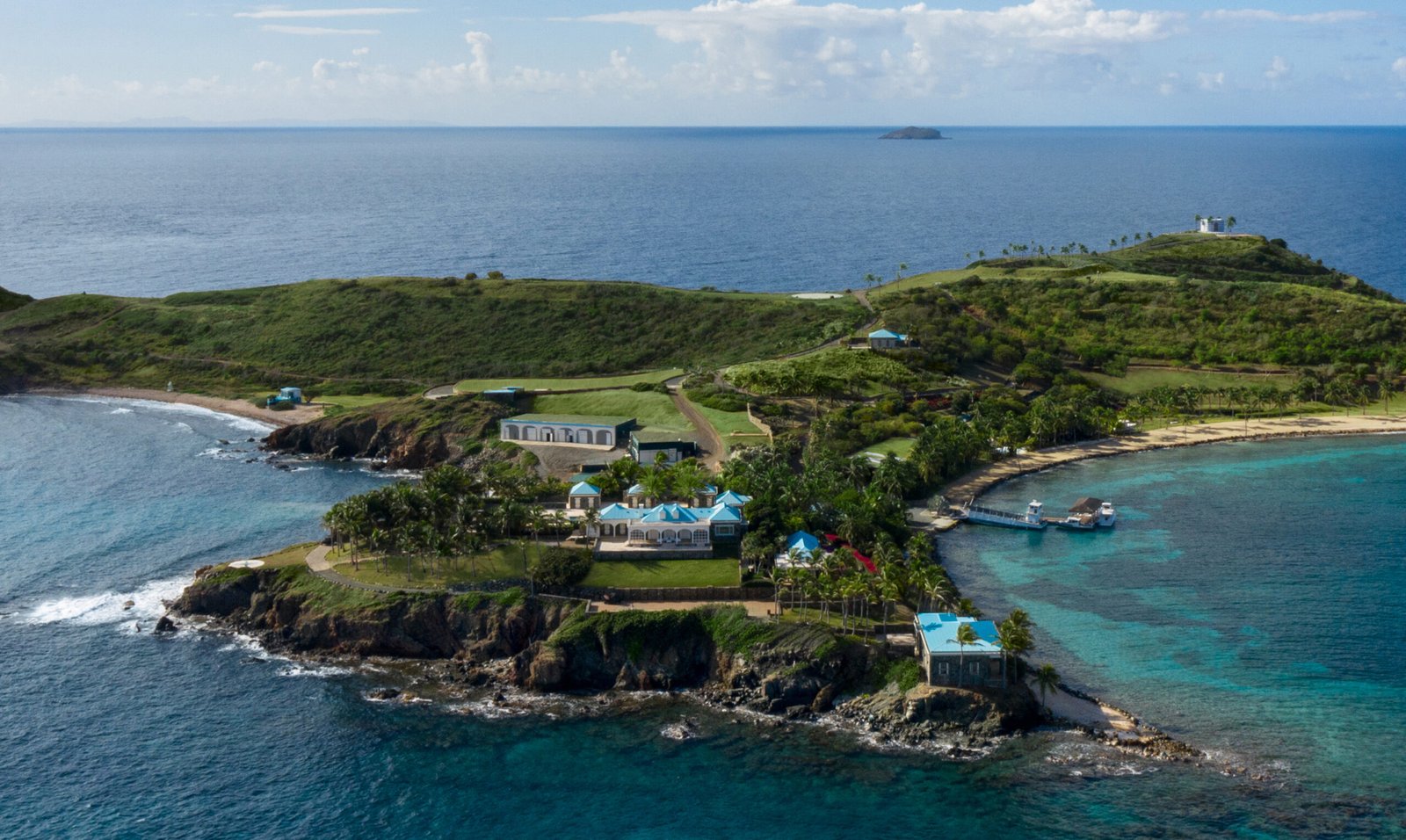
Little Saint James, often referred to as Epstein Island, stands as a symbol of intrigue and controversy in the U.S. Virgin Islands. This 72-acre private paradise, located approximately two miles off the coast of St. Thomas, has captured global attentionbecause of its links to financier Jeffrey Epstein. Purchased in 1998 for $7.95 million, the island became a focal point for allegations of serious misconduct, drawing scrutiny from law enforcement and the public alike. Today, as we explore its history, developments, and current status, it’s essential to rely on verified facts from reputable sources to grasp the full picture. This article delves into the island’s past, the events that unfolded there, and what the future holds, providing a comprehensive overview grounded in documented evidence.
The History and Acquisition of Little Saint James
The story of Little Saint James begins long before its infamous owner entered the scene. Part of the U.S. Virgin Islands archipelago, the island was originally undeveloped land, boasting pristine beaches, lush greenery, and turquoise waters. Its remote location made it an ideal retreat for those seeking privacy away from the mainland.
In 1998, Jeffrey Epstein, through his company L.S.J. LLC, acquired the property for $7.95 million. Epstein, a wealthy financier with connections in high society, saw the island as a personal haven. He later expanded his holdings by purchasing the neighboring Great Saint James in 2016 for $17.5 million, effectively controlling over 200 acres in the region. These acquisitions were part of Epstein’s broader portfolio, which included properties in New York, Palm Beach, and New Mexico.
Prior to Epstein’s ownership, Little Saint James had no significant historical notoriety. It was simply one of many small islands in the Caribbean, occasionally used for recreational purposes. However, under Epstein’s stewardship, the island underwent extensive transformations. He invested millions in infrastructure, including villas, a helipad, pools, and a movie theater. Locals nicknamed it “Little St. Jeff,” while Epstein himself reportedly called it that as well. By 2019, the island’s value had soared to over $63 million, reflecting the lavish developments.
The purchase marked the beginning of a era where the island shifted from obscurity to a site of elite gatherings. Epstein’s connections brought notable figures to the property, though many later distanced themselves amid emerging controversies. Understanding this acquisition phase is crucial, as it sets the stage for the island’s role in broader narratives about power and influence.
Jeffrey Epstein’s Ownership and Developments
During his ownership, Epstein turned Little Saint James into a luxurious estate. The island featured multiple villas with blue roofs, manicured lawns, and private docks for yachts and helicopters. Aerial views reveal a compound-like setup, complete with a library, Japanese bathhouse, and other amenities designed for opulent living. Epstein’s private jets frequently transported guests, and the island’s isolation provided seclusion.
Epstein was known for hosting influential individuals, including scientists, politicians, and celebrities. Flight logs and court documents have referenced visits by figures like former President Bill Clinton and Prince Andrew, though both have rejected allegations of misconduct.The island’s design emphasized privacy, with pathways winding through tropical foliage and structures positioned to maximize ocean views.
However, this period also saw the emergence of darker allegations. Witnesses reported seeing young females on the property, often arriving via Epstein’s aircraft. Local employees at nearby airstrips noted unusual patterns, such as frequent trips with groups that appeared youthful. Despite Epstein’s 2008 conviction for solicitation in Florida, which required him to register as a sex offender, he continued to use the island extensively. This raised questions about oversight by authorities in the U.S. Virgin Islands.
The developments on Little Saint James were not just architectural; they symbolized Epstein’s network of influence. He reportedly used the island for networking events, blending leisure with business discussions. Yet, as investigations unfolded, these elements became evidence in legal proceedings, painting a picture of a property that served dual purposes.
Claims of Wrongdoing on the Island
Little Saint James gained notoriety due to allegations that it was a hub for illicit activities. Accusers, including Virginia Giuffre, claimed the island was used for trafficking and abuse of young females. Court documents describe it as a “perfect hideaway” where such acts could occur away from prying eyes. Locals dubbed it “Pedophile Island,” reflecting widespread rumors.
Giuffre alleged encounters involving high-profile individuals on the island, though those named have consistently denied the claims. Other survivors reported being transported there against their will, enticed by promises of modeling opportunities or financial aid. Epstein’s associate, Ghislaine Maxwell, was convicted in 2021 for her role in recruiting and grooming victims, with some activities linked to the island.
These allegations surfaced amid broader investigations into Epstein’s operations. A 2005 report in Palm Beach led to his initial conviction, but critics argued the plea deal was lenient. Even after registering as an offender, Epstein traveled freely to the island, prompting concerns about enforcement. The remoteness of Little Saint James allegedly allowed activities to persist undetected for years.
While graphic details are avoided here, the core issue revolves around exploitation and power imbalances. Multiple lawsuits and testimonies have highlighted patterns of coercion, with the island serving as a central location. These claims have fueled public outrage and calls for accountability.
Inquiries and Legal Actions
The turning point came in 2019 when Epstein was arrested on federal charges of sex trafficking. He died by suicide in jail that August, but investigations continued. FBI raids on Little Saint James uncovered evidence, including documents and electronics. The U.S. Virgin Islands Attorney General sued Epstein’s estate in 2020, alleging the island facilitated a trafficking network.
In recent years, the release of “Epstein files” has provided more insights. In December 2025, the House Oversight Committee unveiled never-before-seen photos and videos from 2020 raids, showing empty rooms and facilities on the island. These materials, part of millions of documents, emails, and images, detail Epstein’s activities. The Department of Justice has gradually unsealed files, revealing names and accounts, though being mentioned does not imply guilt.
Legal actions extended to associates like Maxwell, whose trial referenced the island. Settlements with victims, including a $105 million fund from Epstein’s estate, have provided some restitution. However, timelines show repeated law enforcement failures, from the 2008 plea deal to delayed federal probes. These proceedings underscore systemic issues in addressing high-profile cases.
The Sale and Current Status of Epstein Island
Following Epstein’s death, his estate listed the islands for sale. In 2023, billionaire Stephen Deckoff purchased Little Saint James and Great Saint James for $60 million. Deckoff, founder of Black Diamond Capital Management, plans to develop a luxury resort, aiming to open by 2025. This move signals an effort to repurpose the property and distance it from its past.
Proceeds from the sale contributed to victim compensation funds. As of 2026, the island remains private, with no public access. Recent emails and documents mention planned visits by figures like Howard Lutnick in 2012, but these were post-conviction and contradicted earlier statements.
The current ownership focuses on transformation, potentially erasing physical remnants of Epstein’s era. However, the island’s legacy persists in ongoing discussions about justice and prevention.
Effects on Society and Key Takeaways
The saga of Little Saint James has profound societal implications. It highlights vulnerabilities in systems meant to protect the vulnerable, sparking reforms in trafficking laws and non-prosecution agreements. Public awareness has increased, with movements like #MeToo amplifying survivor voices.
Lessons include the need for vigilant oversight of influential individuals and better international cooperation in investigations. The island’s story serves as a cautionary tale about unchecked power and the importance of accountability.
In conclusion, Little Saint James transitioned from a serene Caribbean islet to a symbol of scandal and now toward potential redevelopment. By examining its history through credible lenses, we gain insights into broader issues of ethics and justice. As society moves forward, remembering these events ensures such histories are not repeated.

Abdulrahman
Tech writer at whatsontech.net
who loves to write about Ai tools, Apps and Tech guides.