
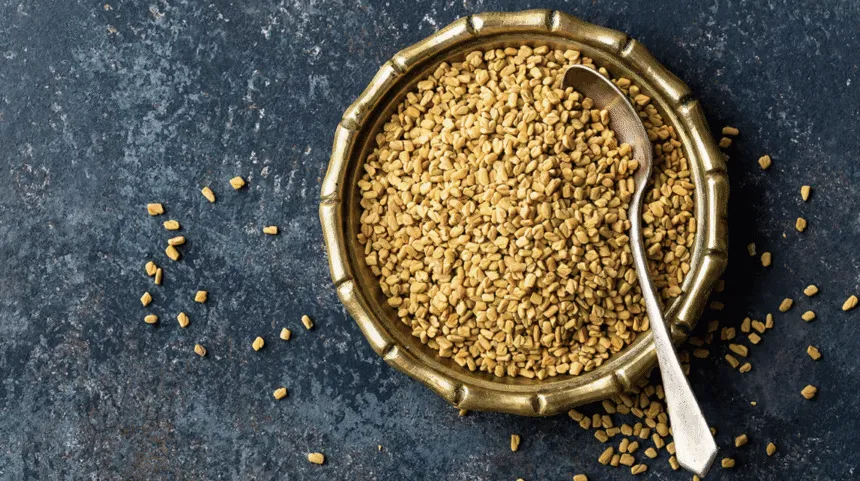
Fenugreek is an annual legume in the Fabaceae family, growing 30–60 cm tall with trifoliate leaves, small white or pale yellow flowers, and slender pods containing 10–20 hard, angular seeds. The seeds are the most used part—golden-brown, glossy, and aromatic with a slightly bitter, nutty, maple-like flavor when crushed or roasted.
Originating from the eastern Mediterranean and western Asia, fenugreek spread via ancient trade routes to India, Egypt, and Europe. Archaeological evidence shows its use in ancient Egypt for embalming and as food. In Ayurvedic and Unani traditions (widely practiced in Pakistan), it’s valued for digestion, lactation, and vitality.
Introduction to Fenugreek as a Nutritional Powerhouse
Fenugreek is nutrient-dense, making it a valuable addition to balanced diets.
Per 100g of dried fenugreek seeds (USDA data approximate):
- Calories: ~323 kcal
- Protein: 23g (high plant-based source)
- Dietary fiber: 25g (nearly 100% DV)
- Carbohydrates: ~58g (mostly complex)
- Iron: 34mg (over 400% DV – excellent for anemia common in South Asia)
- Magnesium, potassium, manganese, and other minerals
- Bioactive compounds: galactomannan fiber, saponins (e.g., diosgenin), flavonoids, alkaloids (trigonelline), 4-hydroxyisoleucine
Per 100g fresh fenugreek leaves (methi saag):
- Calories: ~43 kcal
- Protein: ~4.8g
- Fiber: moderate
- Vitamins: high in vitamin C, A, K, folate
-
Low fat content helps support balanced and sustainable weight management.
These nutrients support energy, immunity, and bone health when consumed regularly.
Proven Health Benefits Backed by Science
Modern research, including systematic reviews and meta-analyses (2023–2025), highlights fenugreek’s potential, especially for metabolic health. Benefits are promising but vary by dosage, form (seeds, powder, extract), and individual factors. It’s not a cure but can complement lifestyle changes.
-
-
Supporting healthy blood glucose levels in type 2 diabetes and prediabetes
-
Strongest evidence area. Multiple meta-analyses show fenugreek lowers fasting plasma glucose (FPG), HbA1c, and insulin resistance (HOMA-IR). Galactomannan fiber slows carbohydrate absorption; 4-hydroxyisoleucine stimulates insulin. A 2024–2025 review noted improvements in T2DM patients with doses of 5–25g/day powder. Ongoing trials (e.g., Saudi Arabia 2025) explore obesity and hyperglycemia links.
-
- Cholesterol and Heart Health Reduces total cholesterol, LDL, triglycerides; raises HDL. Fiber binds bile acids; saponins inhibit absorption. Reviews confirm hypolipidemic effects.
- Testosterone and Male Performance Some studies (including 2025 resistance training trials) show standardized extracts increase free/total testosterone, strength, and libido in men. Benefits for athletic performance noted without major side effects.
- Lactation Support Traditional galactagogue; some evidence increases milk volume in breastfeeding mothers (doses ~1–6g/day).
- Other Potential Areas
- Anti-inflammatory/antioxidant effects (helpful for arthritis, skin).
- Menstrual pain relief (dysmenorrhea studies).
- Digestive aid (fiber promotes regularity).
- Limited evidence for PCOS, weight management, skin clarity.
Always view these as supportive; consult doctors, especially with diabetes meds (risk of hypoglycemia).
Culinary Uses: From Pakistani Kitchens to Global Dishes
Fenugreek adds depth without overpowering.
- Seeds: Roast lightly, temper (tadka) in dal, sabzi, pickles (achaar), or spice blends (e.g., panch phoron, garam masala).
- Leaves: Fresh methi in aloo methi, paratha, saag, or thepla. Dried kasuri methi sprinkles on butter chicken, naan.
- Sprouts: Nutritious in salads.
- Tea: Soak/boil seeds for digestive infusion.
Start small—excess causes bitterness.
-
Safety guidelines, possible side effects, and proper dosage
-
Consuming fenugreek in typical food amounts is usually safe for most people.
Common side effects (NCCIH, PubMed):
- Digestive: diarrhea, gas, nausea (especially high doses).
- Maple-syrup odor in sweat/urine (harmless).
- Rare: allergic reactions, lowered blood sugar excessively.
Precautions:
- Avoid high doses in pregnancy (uterine stimulant risk).
- Consult doctor if diabetic, on blood thinners, or hormone-sensitive conditions.
- Drug interactions: potentiates antidiabetics, anticoagulants.
Typical dosages (from reviews):
- Seeds/powder: 5–15g/day (culinary or tea).
- Extracts: 500–1200mg standardized (for targeted benefits).
- Start low, monitor tolerance.
How to Grow Fenugreek at Home in Punjab Climate
Fenugreek thrives in Faisalabad’s hot, dry conditions.
- Soil: Well-drained, loamy, pH 6–7. Add compost.
- Sowing: Direct seed in spring (Feb–Apr) or post-monsoon (Sep–Nov). Soak seeds overnight. Sow 1cm deep, 10cm apart.
- Sunlight: Full sun (6+ hours).
- Water: Moderate; avoid waterlogging.
- Harvest: Leaves in 3–4 weeks; seeds in 3–5 months.
- Container tips: Use 6–8 inch pots for balcony; ideal for urban homes. Nitrogen-fixing legume improves soil.
Sustainable: low water, organic-friendly.
Conclusion: Why Fenugreek Deserves a Place in Your Life
Fenugreek bridges ancient wisdom and modern science as a nutrient powerhouse with evidence-based metabolic support. Whether growing it in your Faisalabad garden, adding leaves to everyday Pakistani meals, or using seeds mindfully for wellness, it offers flavor, nutrition, and potential health perks when used responsibly.
Consult healthcare professionals before therapeutic use. Source quality organic seeds/leaves for best results.
FAQs
- Is fenugreek safe daily? Yes in food amounts; moderation key for supplements.
- Does it really boost testosterone? Some evidence in men with training; not dramatic for everyone.
- Best way to consume for diabetes? 5–10g soaked/powdered seeds daily; monitor blood sugar.
- Can I grow it in pots? Absolutely—perfect for small spaces.
- Any local Pakistani uses? Methi in paratha, aloo methi, or achar; seeds in tempering.

Abdulrahman
Tech writer at whatsontech.net
who loves to write about Ai tools, Apps and Tech guides.