
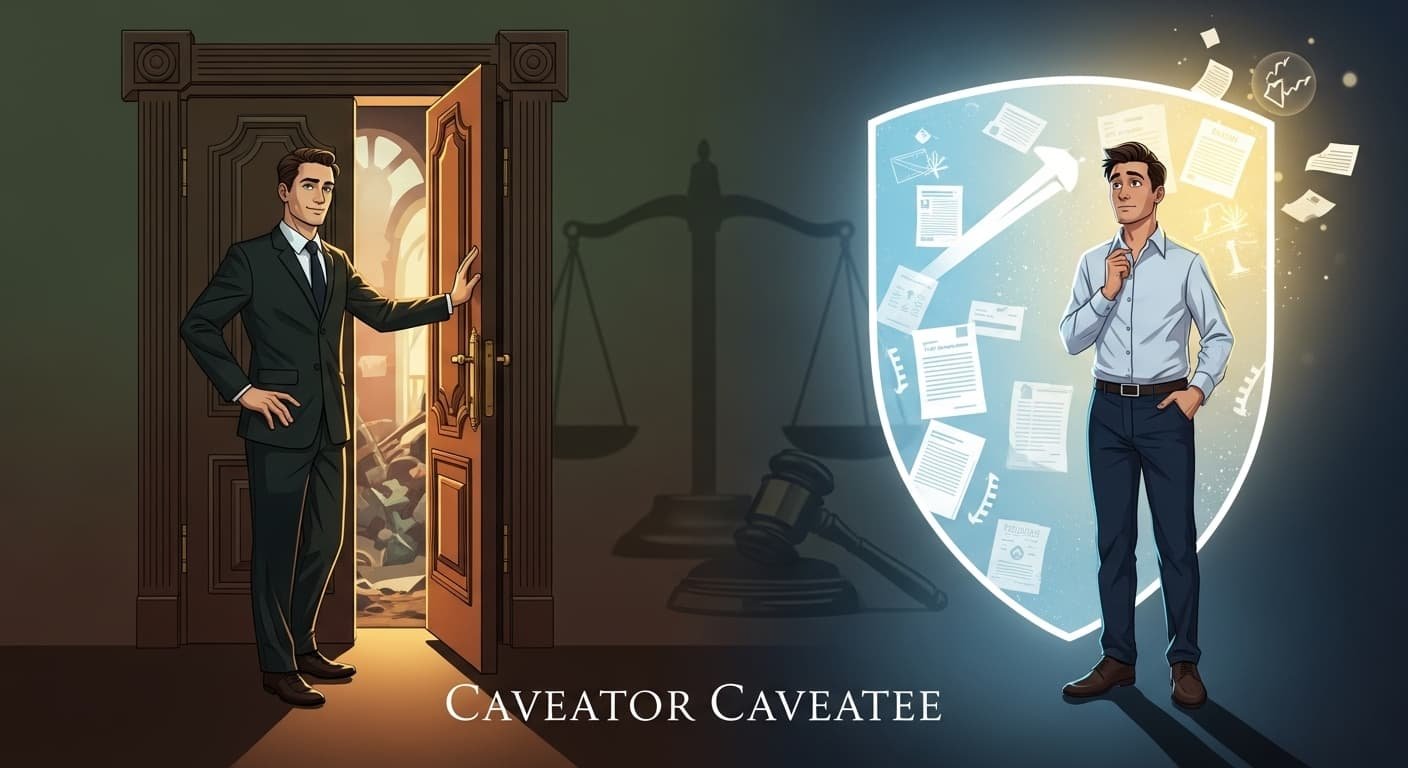
Imagine you’re about to inherit a family home or close on a dream property, only to discover someone else has quietly placed a legal “stop sign” on the title. That stop sign is a caveat, and the people involved are the Caveator Caveatee. These two roles might sound technical, but they are the unsung guardians of fairness in property deals, probate battles, and everyday contracts.
In this complete guide, we break down exactly who they are, why they matter in the U.S. and beyond, and how you can use (or defend against) them to protect what’s yours. Whether you’re a buyer, seller, heir, or business owner, understanding Caveator Caveatee can save you time, money, and heartbreak.
Defining Caveator
A Caveator is the person or entity who files a formal legal notice called a caveat. Think of them as the watchful protector. They don’t claim to own the entire property or estate; they simply say, “I have a legitimate interest here, and nothing should happen without my knowledge.”
In practice, a caveator might be a creditor owed money secured against a house, a buyer who signed a contract but the sale stalled, or a family member worried about a questionable will. By lodging the caveat with the land registry or probate court, they freeze certain actions (like selling or probating) until everyone gets a fair hearing. It’s a powerful but temporary shield, not ownership, just a pause button for justice.
Defining Caveatee
The Caveatee is the party on the receiving end, usually the registered owner, seller, or the person trying to move forward with a transaction or probate. They hold the official title or are the ones pushing to admit a will to probate.
When a caveat lands, the caveatee gets official notice and must respond. They can’t simply ignore it and sell or distribute assets freely. In U.S. probate (especially in states like Florida), the caveatee (often the propounder of the will) must pause and give the caveator a chance to object. The caveatee’s role is reactive: they manage the property or estate while proving their right to proceed.
The Historical Roots of Caveator Caveatee
The words come straight from Latin: “caveat” literally means “let him beware.” Roman law and early English common law used these warnings to keep powerful people honest.
The concept evolved into famous maxims like caveat emptor (“let the buyer beware”), the old rule that buyers had to inspect everything themselves.
Over centuries, the idea expanded into formal caveats for land titles (especially in Torrens systems used worldwide) and probate courts. In the United States, the probate caveat became a key tool after independence, ensuring heirs aren’t blindsided. Today, it balances ancient caution with modern consumer rights.
A Tale of Two Parties: Caveator Meets Caveatee
Picture this: Emma, a daughter who suspects her stepmother pressured her father into changing his will, files a probate caveat in Florida. She becomes the caveator. The stepmother, named executor in the will, is the caveatee.
The court stops probate until Emma gets notice and can present evidence. Suddenly, the two strangers to each other’s plans are forced into the same courtroom. This “meeting” is exactly why the system exists; it turns potential secret deals into transparent conversations.
Legal Purpose of Caveator and Caveatee
The core purpose is simple: prevent unfair surprises. The caveator protects an interest; the caveatee ensures lawful dealings. Together, they create checks and balances. No one can quietly sell a house with a hidden lien or sneak a dubious will through probate.
In the U.S., this promotes due process. Florida’s probate code, for example, requires courts to notify caveators before admitting any will, saving families years of expensive fights later.
Caveator Caveatee in Contract Law
In contracts, the dynamic echoes caveat emptor but with modern twists. A buyer (potential caveator) who has a signed purchase agreement but fears the seller is backing out can sometimes lodge protection.
Sellers (caveatees) must now disclose known defects in most U.S. states thanks to consumer laws. The old “buyer beware” rule has softened into “both parties beware and be honest.” This prevents one side from hiding problems while the other rushes blindly.
What a Caveat Actually Does
A caveat is not a lawsuit; it’s a legal alert flag. Once filed:
- It blocks registration of sales, mortgages, or transfers on title.
- In probate, it stops the court from admitting a will or appointing an executor without notice.
- It lasts until withdrawn, expires, or is removed by court order.
It buys time for negotiation or evidence gathering without stopping life entirely. In the U.S., probate caveats are especially powerful because they force early transparency.
When Caveators Step In
Caveators act when they sense risk: unpaid contractor liens, disputed inheritance, pending divorce claims, or a buyer who paid a deposit but the seller vanished. In probate, they step in if they suspect undue influence, forgery, or a later will exists.
Timing matters; file too late and the property may already be sold or the estate distributed. Smart caveators act early with solid evidence of their interest.
Responsibilities of the Caveatee
Caveat emptor can’t pretend the caveat doesn’t exist. They must:
- Respond within court deadlines (often 30 days or less).
- Provide evidence that the caveator’s claim is invalid.
- Possibly post security or negotiate removal.
Ignoring it risks court penalties or blocked deals. In Florida probate, the caveatee must formally notify the caveator before proceeding, a built-in fairness rule.
Caveator Caveatee in Business Transactions
Business deals involving real estate, partnerships, or secured loans use the same framework. A lender becomes a caveator to protect their mortgage interest. A company selling assets becomes the caveatee.
This keeps investors honest and prevents fraudulent transfers during bankruptcy or disputes. Modern business contracts often include clauses referencing these protections.
Caveator Caveatee and Consumer Awareness
Today’s consumers are smarter than ever. Thanks to state disclosure laws, strict caveat emptor is fading. Buyers now expect sellers (caveatees) to reveal defects.
At the same time, consumers learn to become caveators, filing notices when contractors don’t finish work or online sellers disappear with deposits. Awareness turns ordinary people into empowered legal players.
Caveator Caveatee in the Digital Age
E-commerce, crypto deals, and online property platforms bring new challenges. Digital caveats are emerging through blockchain title records and e-filing in probate courts.
A buyer who wires money for virtual land can act as a caveator if fraud appears. Platforms now warn users with “digital caveat emptor” notices. The principle remains: both sides must stay vigilant in cyberspace.
Practical Applications in Property Law
In everyday real estate (outside pure U.S. title systems), a caveator stops a shady sale. In U.S. states using similar notices, it protects equitable interests like trusts or leases.
Practical tip: Always check title reports or probate dockets before buying or inheriting. One quick search can reveal a hidden caveat.
Real-World Implications
Consider a Florida case where a beneficiary filed a probate caveat, suspecting undue influence. The court paused everything, evidence was heard, and the family saved the estate from mismanagement.
Wrongful caveats can backfire, too; courts have awarded damages to caveatees when claims lacked proof (similar to Canadian and Australian rulings). The implication is clear: use the power responsibly.
Best Practices for Caveators Caveatees
Caveators: Gather proof first, file precisely, and follow up quickly.
Caveatees: Respond immediately, consult an attorney, and negotiate in good faith.
Both sides should document everything and consider mediation before the court. Early legal advice prevents small issues from becoming expensive wars.
Resolving Disputes Between Caveator and Caveatee
Most disputes end in negotiation or mediation, cheaper and faster than a trial. If needed, courts hold a hearing where the caveator proves their interest and the caveatee shows why it should be removed.
In U.S. probate, this often leads to a full will contest trial. Judges look for evidence, not emotions, and can order the losing side to pay costs.
The Bigger Picture: Property Law and Equity
At its heart, the caveator caveatee relationship is about equity and fairness when strict rules fall short. Property law isn’t just about who owns the deed; it’s about protecting vulnerable interests. The system forces transparency so the powerful can’t steamroll the prepared.
Why Caveator Caveatee Still Matters Today
With rising property prices, complex estates, and digital transactions, these roles prevent chaos. In America alone, millions of probate cases open yearly, many involving caveats. Ignoring them risks losing everything you’ve worked for.
Lessons We Can Learn From Caveator Caveatee
- Always document your interests early.
- Communicate before conflicts explode.
- Stay informed, knowledge is your best caveat.
- Balance rights with responsibilities.
These lessons apply far beyond courtrooms to every deal you make.
The Future Relevance of Caveator Caveatee
As more states adopt e-filing and blockchain titles, caveats will become faster and smarter. Consumer protection laws will keep evolving caveat emptor into a true partnership. In a world of instant global deals, the ancient Latin warning will remain timeless: both sides must beware, and both sides must be fair.
FAQs
What Is the Role of a Caveator in Legal Terms?
The caveator is the protector who files the formal notice to pause actions and demand notification. They safeguard interests without claiming full ownership.
Who Is a Caveatee and What Are Their Rights?
The caveatee is the owner or propounder who must respond to the caveat. They have the right to challenge invalid claims, seek removal, and proceed once resolved, but they cannot ignore the notice.
Why Are Caveator and Caveatee Important in Property Law?
They ensure no one loses their home, inheritance, or investment through secret deals. They create transparency and prevent fraud in high-stakes transactions.
When Should You Consider Caveator or Caveatee Status?
Consider caveator status if you have a legitimate interest at risk (unpaid debt, pending contract, will concerns). You become a caveatee automatically if someone files against your property or will.
Where Do Caveator and Caveatee Fit into Legal Contracts?
They appear in real estate contracts, loan agreements, and probate proceedings. Many modern contracts now reference these protections or include disclosure clauses to avoid the need for formal caveats.
Conclusion
Caveator Caveatee isn’t just legal jargon; it’s a powerful framework that keeps property deals honest and families protected. Whether you’re filing a probate caveat in Florida, checking a title before buying a home, or simply signing your next contract, understanding these roles gives you the edge.
Stay informed, act early, and remember: in law as in life, a little healthy “beware” on both sides creates the fairest outcomes. Bookmark this guide, share it with friends navigating a sale or inheritance, and you’ll be ready for whatever comes next in your property journey.

Abdulrahman
Tech writer at whatsontech.net
who loves to write about Ai tools, Apps and Tech guides.