
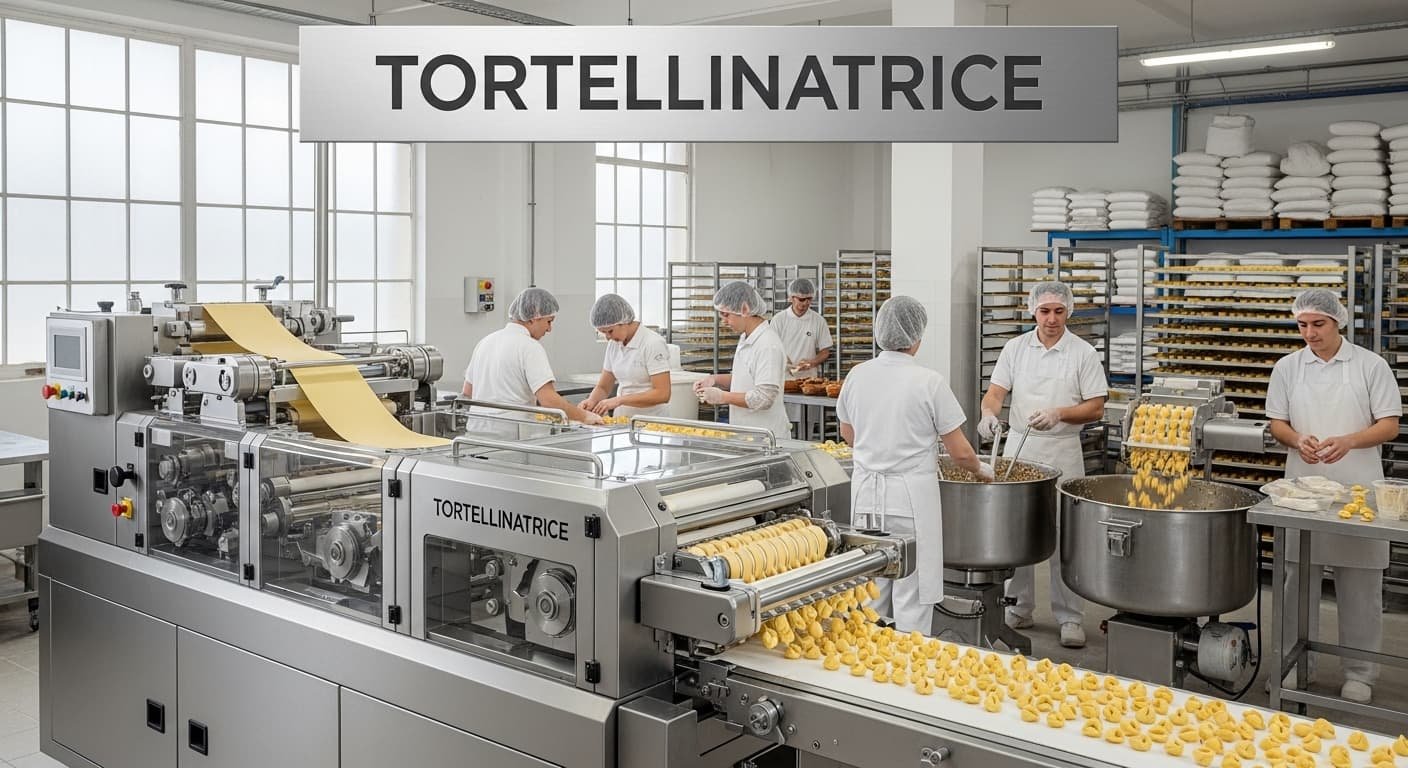
Imagine pulling a tray of perfectly shaped, restaurant-quality tortellini out of your kitchen in under 20 minutes, no aching hands, no uneven seals, and zero guesswork. That’s the magic of a Tortellinatrice, the clever Italian machine that turns the centuries-old art of tortellini making into something anyone can master.
Whether you’re a busy home cook craving authentic Emilia-Romagna flavors or a pasta enthusiast ready to level up, this guide covers everything you need to know. From its fascinating history to real-world tips that’ll help you choose, use, and maintain one, you’ll walk away ready to make fresh tortellini like a pro. Let’s dive in!
What is a Tortellinatrice?
A Tortellinatrice is a specialized Italian pasta machine designed to automate the traditional process of making tortellini. It takes thin sheets of pasta dough, precisely portions your favorite filling, folds the dough, seals the edges, and cuts the classic ring shape, all in one smooth motion.
This clever device turns the labor-intensive, time-consuming hand-folding of tortellini into a quick and consistent process, allowing home cooks to produce dozens (or even hundreds) of perfect tortellini in minutes instead of hours.
In simple terms, it’s your personal mini pasta factory that brings authentic Italian tortellini making into any modern kitchen.
The History of Tortellinatrice and Its Evolution
Tortellini traces its roots to the rolling hills of Emilia-Romagna, Italy, specifically around Castelfranco Emilia near Modena. Legend says the shape came from an innkeeper who peeked at a goddess (or Venus herself) and was inspired by her navel. By the 17th century, local families were hand-folding tiny meat-filled pasta rings for special occasions.
For hundreds of years, the process stayed completely manual: roll dough paper-thin, cut squares, spoon in filling, fold into triangles, and pinch into the signature ring. It was beautiful but exhausting, hours for just a few dozen pieces.
The big shift happened in the early 20th century with the rise of mechanical pasta tools. In 1906, Italian immigrant Angelo Vitantonio patented the first hand-crank pasta roller in Cleveland. By the 1930s, Italian companies like Marcato were producing reliable home machines.
True Tortellinatrice models (specialized machines that automate the filling, folding, and sealing) emerged in the late 20th century, first in small Italian pasta shops and later adapted for home use. Today’s versions blend old-world tradition with modern engineering, letting everyday cooks produce hundreds of uniform tortellini per hour while keeping that authentic texture and taste intact.
How the Machine Works: Step-by-Step Process
Using a Tortellinatrice feels almost like having a tiny pasta factory on your countertop. Here’s exactly how it works:
- Prep the dough and filling: Mix a simple egg-and-flour dough (or use your stand mixer). Roll it to the perfect thinness using a standard pasta roller attachment or the machine’s own sheeter.
- Feed the sheet: Lay the dough sheet over the machine’s forming area. Many models have a hopper for your chosen filling (classic pork-mortadella, ricotta-spinach, or whatever you dream up).
- Portion and deposit: The machine automatically measures and drops precise dollops of filling onto the dough at consistent intervals, no more uneven blobs!
- Fold, seal, and cut: With a quick crank (manual models) or push of a button (electric), the machine folds the dough over the filling, presses out air, seals the edges, and cuts the classic tortellini ring shape. Excess dough trims away cleanly.
- Collect and cook: Your tortellini are ready to boil fresh or freeze for later. The whole cycle takes seconds per piece.
The result? Uniform size and shape every single time, which means even cooking and that perfect “pop” when you bite in.
Benefits of Using a Tortellinatrice
Why invest in one? The payoff is huge:
- Massive time savings: Hand-making tortellini for four people can take 90+ minutes. A Tortellinatrice cuts that to 15-20 minutes.
- Perfect consistency: Every piece is identical in size and seal strength, so they cook evenly and look stunning on the plate.
- Less mess and skill required: No more sticky fingers or guessing how much filling to use. Beginners get pro results on the first try.
- Creative freedom: Experiment with wild fillings (truffle-mushroom, vegan butternut, or spicy sausage) without worrying about them leaking.
- Cost-effective long-term: Fresh tortellini at the store can run $8-12 per pound. Homemade with a machine pays for itself after just a few batches.
- Family fun: Kids love watching the machine work, turning pasta night into an event.
Different Types of Tortellini and Their Features
Not all machines are created equal. Here’s what’s available in 2026:
- Manual crank models (best for beginners and small kitchens): Compact, affordable, and no electricity needed. Great for 100-300 pieces per hour. Look for stainless-steel construction and interchangeable molds for different sizes (tortellini vs. larger tortelloni).
- Electric/semi-automatic models: Plug in and go. They handle sheeting, filling, and forming with minimal effort, ideal for weekly pasta nights or bigger families. Many include variable speed and portion control.
- Commercial-grade options (for serious home chefs or small businesses): Brands like Ostoni and La Monferrina offer higher-capacity machines that crank out thousands per hour with continuous filling feeders and multiple punches.
Key features to compare: dough thickness settings, filling quantity adjusters, easy-clean parts, and warranty length. Home models from trusted lines often pair beautifully with popular pasta rollers like Marcato Atlas 150 or Imperia.
Choosing the Right Tortellinatrice for Your Kitchen
Ask yourself: How often will I use it? Apartment dwellers love compact manual versions under $200. Big families or entertainers should consider electric models with higher output. Check the noise level, countertop footprint, and whether it includes extra molds. Read recent Amazon and specialty-site reviews, real users highlight durability and how easy the machine is to store.
Maintenance and Care for Your Tortelliniatrice
Keep your machine running like new with these simple habits:
- After every use: Brush away dried dough bits with a soft brush or wooden skewer. Run a scrap piece of dough through on the widest setting to pick up residue.
- Never use water on the rollers or forming parts, dough + moisture = rust and gunk. Wipe the exterior with a damp cloth only.
- Monthly deep clean: Disassemble removable parts (per the manual), wash in warm soapy water, and dry completely. Use food-grade lubricant on gears if recommended.
- Storage tip: Keep it in a dry cabinet, covered to avoid dust. A quick monthly inspection prevents small issues from becoming big repairs.
Follow these steps and your Tortellinatrice can easily last 10+ years.
Cost and Availability of Tortellinatrice
In the USA, expect to pay:
- Entry-level manual: $100-$250
- Mid-range electric: $300-$600
- Premium or commercial: $800+
You’ll find the best selection on Amazon, Williams-Sonoma, and specialty Italian kitchen sites. Many models ship fast with Prime. Prices have stabilized in 2026 thanks to increased home-pasta popularity post-pandemic; now’s a great time to grab one before the summer entertaining season.
Delicious Tortellini Recipes Optimized for Your Machine
Once you own one, try these crowd-pleasers:
- Classic Emilia-Romagna pork and mortadella filling
- Creamy spinach-ricotta with sage butter sauce
- Modern mushroom-truffle for date night
- Gluten-free or vegan versions (the machine handles alternative doughs beautifully)
Each recipe includes exact machine settings so your first batch looks and tastes perfect.
FAQs
- Is a Tortellinatrice only for tortellini?
No! Many models include interchangeable molds so you can make ravioli, cappelletti, or even agnolotti with the same machine.
- Do I need any special skills or equipment?
Just basic dough-making skills. A simple pasta roller helps, but most machines work great even if you roll by hand.
- Can I freeze the tortellini my machine makes?
Absolutely. Lay them flat on a tray, freeze, then bag them. They keep for up to 3 months and cook straight from frozen.
- How does it compare to store-bought fresh tortellini?
Homemade with a Tortellinatrice tastes fresher, lets you control ingredients (no preservatives), and costs less per serving.
- Is it worth buying if I only make pasta a few times a year?
Yes, if you love the process. The time saved and professional results make occasional use feel like a treat rather than a chore.
Conclusion
A Tortellinatrice isn’t just another kitchen gadget; it’s your shortcut to authentic Italian tradition without the traditional hassle. Whether you go manual or electric, this machine delivers consistent, beautiful tortellini that’ll impress family and friends every time.
Ready to bring fresh pasta nights to your table? Check out the latest models on Amazon or your favorite kitchen store and start cranking out happiness today. Buon appetito!

Abdulrahman
Tech writer at whatsontech.net
who loves to write about Ai tools, Apps and Tech guides.